
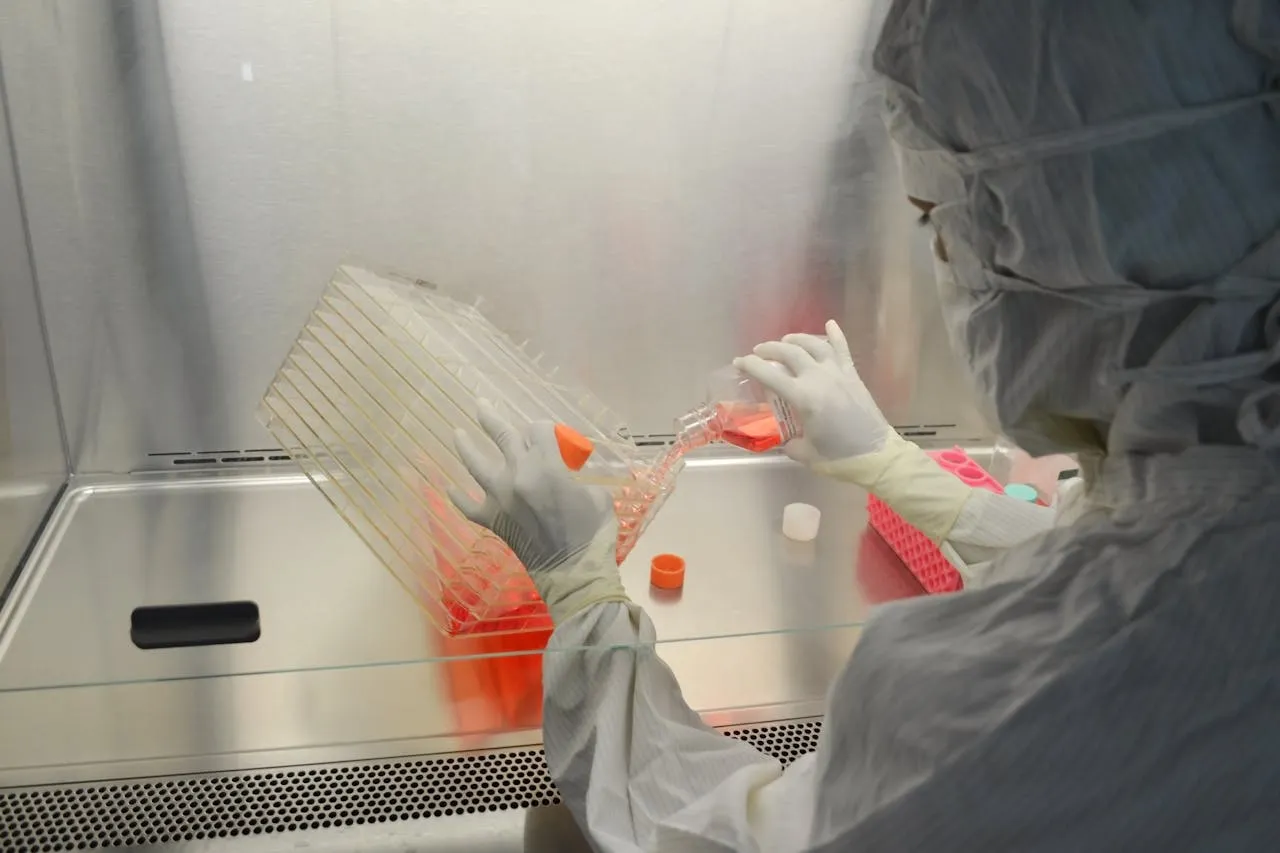
PHC Corporation’s Biomedical Division (PHCbi), headquartered in Tokyo’s Chiyoda-ku district and led by President Nobuaki Nakamura, has announced the launch of its innovative cell expansion system, LiCellGrow™. As a subsidiary of PHC Holdings Corporation, PHCbi is widely recognized as a global provider of advanced laboratory sample storage and cell cultivation technologies. The introduction of LiCellGrow™ marks a significant milestone in the company’s ongoing commitment to supporting the evolving needs of regenerative medicine and advanced therapeutic development. Designed for research use in Japan and select international markets, this system aims to enhance both the quality and efficiency of manufacturing processes for advanced therapies by enabling real-time visualization of cellular metabolic changes and automated control of culture conditions.
PHCbi plans to showcase LiCellGrow™ at the prestigious 25th Congress of the Japanese Society for Regenerative Medicine, taking place March 19–20 at the Kobe International Conference Center and the Kobe International Exhibition Center in Kobe, Japan. This event gathers leading researchers, clinicians, and industry experts focused on regenerative medicine and advanced therapies, providing an ideal platform for PHCbi to present its newest technological advancement. By introducing LiCellGrow™ at such a prominent scientific forum, the company underscores its dedication to collaboration and innovation within the regenerative medicine community.
Cell and gene therapies (CGT) represent one of the most transformative developments in modern medicine. By leveraging living cells or genetic material to create personalized treatments, CGT has shown remarkable promise for addressing diseases that have historically been difficult or impossible to treat effectively, including genetic disorders and various forms of cancer. However, while scientific breakthroughs have accelerated, the manufacturing processes behind CGT products remain complex and challenging. Variability in cell characteristics, intricate production workflows, and stringent quality requirements often result in inconsistent yields, lower production efficiency, and higher manufacturing costs compared to traditional pharmaceutical therapies. These challenges create substantial barriers to scalability and affordability, limiting patient access to life-changing treatments.
A critical factor in overcoming manufacturing challenges lies in identifying and controlling critical process parameters (CPPs) and critical quality attributes (CQAs). Understanding how cells behave metabolically during cultivation is essential for ensuring consistent product quality. Without accurate, real-time insight into cellular conditions, therapy developers may struggle to optimize culture environments or respond effectively to unexpected metabolic shifts. The ability to continuously monitor cell status and automatically adjust culture conditions based on that data is increasingly viewed as indispensable for producing high-quality CGT products efficiently and cost-effectively.
LiCellGrow™ was developed specifically to address these production challenges. The system integrates proprietary In-Line monitoring technology capable of continuously measuring glucose and lactate concentrations—two critical indicators of cellular metabolism—in real time. Glucose consumption and lactate production provide valuable information about cell growth, viability, and metabolic health. By capturing this data continuously rather than relying on periodic sampling, researchers gain a clearer and more dynamic picture of cellular activity. Beyond monitoring, LiCellGrow™ incorporates automated culture control technology that adjusts the timing of culture medium exchange based on the metabolic measurements obtained. This intelligent response mechanism ensures that cells remain in optimal growth conditions, reducing stress and variability while enhancing consistency.
The advanced sensing capabilities of LiCellGrow™ are rooted in PHCbi’s proprietary electrochemical measurement platform. This platform is the result of more than three decades of expertise in blood glucose sensor development, demonstrating the company’s long-standing commitment to precision measurement technologies. By adapting this proven electrochemical foundation to cell culture applications, PHCbi has created a system capable of visualizing metabolic states that were previously difficult to assess in real time. This technological continuity not only strengthens reliability but also reflects the company’s strategic integration of past innovations into emerging biomedical applications.
Through real-time metabolic visualization and automated environmental control, LiCellGrow™ supports improved cell quality and production efficiency. Reduced reliance on manual sampling minimizes contamination risks and operational variability. Furthermore, by preventing suboptimal culture conditions that could lead to cell loss or inconsistent outcomes, the system contributes to lower manufacturing costs. These advantages align with the broader industry goal of making advanced therapies more accessible by improving scalability and reducing overall production expenses.
Under the PHC Group’s Value Creation Plan 2027, which emphasizes growth in Diagnostics and Life Sciences, PHCbi is actively developing solutions aimed at enhancing efficiency and lowering costs in CGT manufacturing. LiCellGrow™ builds upon the In-Line monitoring technology introduced in LiCellMo™, a live cell metabolic analyzer launched in 2024 for research applications. This progression demonstrates a deliberate product evolution strategy, transitioning from analytical research tools toward integrated systems designed to support scalable manufacturing processes.
Looking ahead, PHCbi intends to expand its product lineup in phases from late 2026 through early 2028. Planned additions include specialized culture bags with filtration functions to improve cell recovery rates, integrated pH and dissolved oxygen (DO) meter units, and cGMP-compliant dedicated consumables suitable for regulated production environments. These enhancements are expected to facilitate seamless scaling from early-stage research to full commercial manufacturing. Such scalability is particularly relevant for advanced treatments like CAR-T cell therapies, which require precise, reproducible, and compliant manufacturing systems to ensure patient safety and therapeutic efficacy.
One of LiCellGrow™’s defining features is its automated control and optimization of culture conditions. By leveraging continuous metabolic data acquisition, the system automates medium exchange precisely when needed. This ensures that nutrient levels and waste product concentrations remain within optimal ranges, directly contributing to consistent cell growth and quality. The approach aligns closely with the principles of Quality by Design (QbD), a framework that emphasizes embedding quality into process design rather than relying solely on end-product testing. By supporting scientifically robust and reproducible process development, LiCellGrow™ strengthens regulatory readiness and manufacturing reliability.
LiCellGrow™ also incorporates a single-use design featuring easy-to-attach dedicated culture bags. Automated in-line measurement eliminates the need for manual sampling to assess glucose and lactate levels, significantly reducing cross-contamination risks. The closed-system configuration maintains aseptic conditions throughout cultivation, a crucial requirement in CGT production. Additionally, the device is compatible with standard CO₂ incubators commonly used in research laboratories. This compatibility eliminates the need for specialized infrastructure investments, enabling straightforward integration into existing facilities while supporting highly reproducible cell culture processes.
Chikara Takauo, Director of PHC Corporation and Head of the Biomedical Division, emphasized the importance of this launch in addressing persistent challenges related to quality, cost, and delivery of cell and gene therapies. Building upon the research-use success of LiCellMo™, LiCellGrow™ represents a strategic step forward in enabling efficient, reliable, and scalable CGT manufacturing. Takauo reaffirmed PHCbi’s commitment to expanding its portfolio to further accelerate the adoption of advanced therapeutic options for patients facing hard-to-treat conditions.
The introduction of LiCellGrow™ signals a meaningful advancement in the manufacturing ecosystem supporting regenerative medicine and cell-based therapies. By combining continuous metabolic monitoring with automated environmental control in a user-friendly, closed-system design, PHCbi offers therapy developers a practical solution to some of the most pressing challenges in CGT production. As demand for personalized and advanced therapies continues to grow worldwide, innovations such as LiCellGrow™ will play a critical role in ensuring that these groundbreaking treatments can be produced consistently, efficiently, and at scale, ultimately benefiting both developers and patients alike.
Source Link:https://www.businesswire.com/