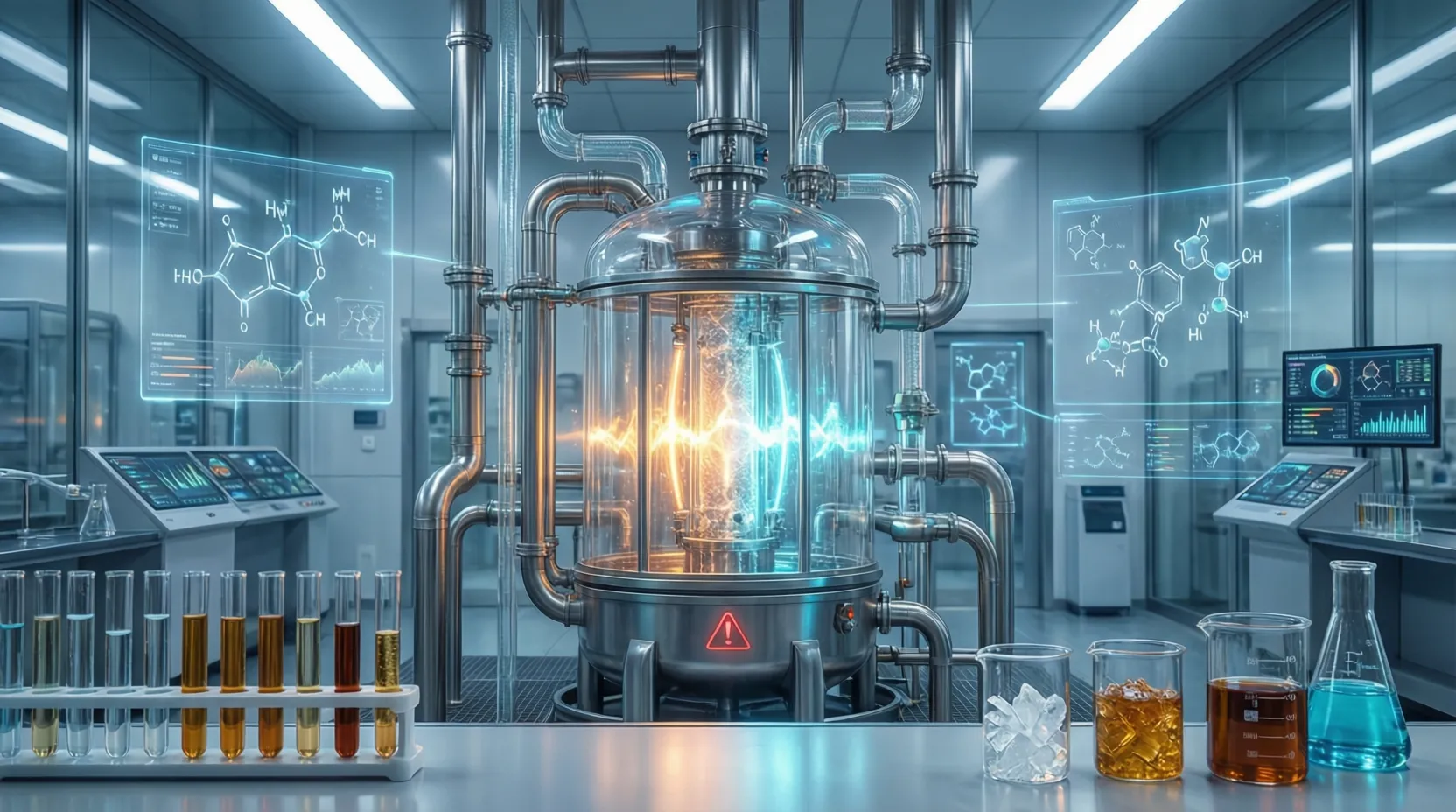
Lummus Technology and Sumitomo Chemical have officially announced the commercial availability of their advanced Polymethyl Methacrylate Chemical Recycling (PMMA-CR) technology, offering a highly efficient solution for converting PMMA waste into valuable, high-purity monomers. This milestone builds upon the strategic partnership established between the two companies in May 2024, aimed at co-developing and commercializing sustainable technologies to support a circular and carbon-neutral petrochemical value chain.
The collaboration between Lummus Technology and Sumitomo Chemical leverages the unique strengths of both organizations. Lummus brings deep process expertise and commercialization experience, while Sumitomo Chemical contributes advanced materials innovation. Together, the partnership focuses on technologies that enable circularity, sustainability, and reduced environmental impact in the production and recycling of petrochemical materials.
Leon de Bruyn, President and CEO of Lummus Technology, emphasized the significance of the collaboration:
By uniting Lummus’ process expertise with Sumitomo Chemical’s materials innovation, we’re delivering a scalable, economically viable PMMA recycling solution. This gives our customers a clear pathway to reduce waste, lower emissions, and unlock new value from recycled materials—turning sustainability into a competitive advantage.
Seiji Takeuchi, Senior Managing Executive Officer at Sumitomo Chemical, added:
We are proud to deliver this innovative PMMA-CR technology to market together with our trusted partner, Lummus Technology. Through commercial licensing, we will contribute to the realization of a circular economy by enabling the recycling of PMMA.
PMMA, commonly known as acrylic or Plexiglas, is widely used across industries such as automotive, electronics, and construction. Traditionally, end-of-life PMMA has posed challenges for recycling due to its chemical structure and the difficulty in recovering high-quality monomers. The newly commercialized PMMA-CR technology addresses these challenges by efficiently depolymerizing PMMA waste back into high-purity methyl methacrylate (MMA) monomer, which can then be reused to produce new PMMA.
The technology has undergone rigorous validation at Sumitomo Chemical’s pilot plant in Japan, demonstrating that recycled MMA meets or exceeds the quality standards of fossil-derived MMA. This ensures that recycled PMMA can be used in demanding applications without compromising material performance.
According to Sumitomo Chemical, the PMMA-CR process has the potential to reduce life-cycle greenhouse gas emissions by approximately 50% compared to fossil-derived materials, contributing significantly to carbon reduction efforts.
The PMMA-CR technology incorporates several innovative features that make it highly effective and scalable:
The process converts both post-consumer and post-industrial PMMA waste into high-purity MMA monomer. With high yield and minimal impurities, the technology ensures that recycled MMA is functionally equivalent to virgin material, supporting closed-loop recycling systems.
Developed jointly by The Japan Steel Works, Ltd. and Sumitomo Chemical, the system features a twin-screw extruder combined with a specialized heating system to achieve uniform temperature distribution and exceptional thermal efficiency. The process has been specifically optimized for PMMA depolymerization, maximizing yield and energy efficiency.
The PMMA-CR system is designed for continuous operation, incorporating a self-cleaning extruder to maintain high equipment utilization and reduce downtime. This design allows operators to maintain steady production while minimizing labor and maintenance requirements.
The technology is offered as modular ISBL (Inside Battery Limits) packages, allowing customers to scale capacity by duplicating process trains. This flexibility supports both small-scale pilot operations and large-scale industrial production, making it adaptable to various market needs.
The recycled MMA produced is chemically identical to fossil-based MMA, enabling true closed-loop recycling. This makes the technology suitable for a wide range of PMMA applications, including automotive components, electronic devices, construction materials, and specialty plastics, supporting industry-wide efforts to implement circular economy principles.
The commercial adoption of PMMA-CR technology offers significant environmental and economic advantages:
With the PMMA-CR technology now commercially available, Lummus Technology and Sumitomo Chemical are offering licensing opportunities to customers worldwide. Licensed partners can implement the technology to achieve circular PMMA production, improve operational efficiency, and meet growing consumer and regulatory demand for sustainable materials.
The partnership underscores the commitment of both companies to support the transition toward a circular and carbon-neutral economy. By providing scalable, efficient, and high-quality recycling technology, they aim to enable industries to reduce environmental impact while maintaining product performance and profitability.
The commercial rollout of PMMA-CR technology represents a major step forward in sustainable materials innovation. As industries increasingly prioritize circularity and decarbonization, technologies like PMMA-CR will play a crucial role in closing the loop on plastic production.
The collaboration between Lummus Technology and Sumitomo Chemical highlights the importance of strategic partnerships in advancing sustainable technologies. By combining process engineering expertise with materials innovation, the companies are demonstrating that environmental responsibility and economic competitiveness can go hand in hand.
As global demand for sustainable solutions grows, PMMA-CR technology positions both companies—and their partners—to be at the forefront of the next generation of circular materials solutions.
Source Link : https://www.sumitomo-chem.co.jp/english/news/detail/20260205e.html